
Real Lights Preproduction Course
A self-paced course on lighting concept creation
about the course
This is the first part of our Real Lights Extended program, now available as a self-paced experience.
Based on the real-world expertise of Pavel Zmunchila (Setup.Design), the course guides you through the full preproduction phase of show design — from concept creation to visual planning and technical documentation.
Self-paced course on lighting concept creation
9 lessons and a homework assignment from the first part of Real Lights Extended (lesson 09 is coming soon). You turn a creative brief into a feasible show: venue and safety constraints, roles and budget, the concept, and the visualisation and technical documentation a team builds from. You model the venue and the rig in Capture and Depence.
Includes:
8 recorded lessons
A homework assignment to practise on your own
Real examples from professionals
Access anytime, no deadlines
Course aims
Turn creative live-event ambitions into coherent, feasible production concepts within professional constraints.
Practise disciplined pre-production that communicates design intent and enables dependable event delivery.
Online Course Duration
9 weeks
Lessons Duration
3 Hours per week
Your skill level
Beginner or Intermediate
Software
Capture, Depence
Prerequisites
TouchDesigner Extreme 101 and 102
Formats
Self-paced
Who needs this
Stage Designers Media Artists 3D Artists Musicians VJs Light Designers
Thanks for the partner support
We’re beyond grateful to have hosted such talented minds at
RNA Studio Lisbon, fostering a space for collaboration and growth
A huge thank-you to our amazing technical partners, Comuna Rental and Audiomatrix.pt
for their invaluable support in making this event a success.


syllabus
Detailed course program
outcomes from the course
Synthesize creative briefs, venue conditions, safety requirements, and resource constraints into viable live-event concepts
Design integrated lighting, multimedia, spatial, power, signal, and control systems for live-event environments
Produce visualisations, technical plans, plots, equipment summaries, and renders that communicate production intent
Coordinate production workflows, approvals, budgets, suppliers, content, and show-control arrangements for reliable delivery
Team
We are a team of practising lighting designers and media artists. Each of us brings an individual style and a unique vision of how a show is made.


Pavel Zmunchila is a lighting and visual artist, as well as a set designer with over 12 years of experience in a vast field from modern theater and technological art to electronic dance music and stadium rock tours.
Started in 2012 as a technical director and lighting designer of a modern theater and music venue, developed further to a lighting designer of one of the largest musical theater projects in Russia. Continued developing skills and expanding toolset, moved forward to creating custom control systems for lighting, lasers and real-time generative video content for music events.
In 2018, together with Stepan Novikov, Dmitry Znamenskiy and Anton Kochnev, founded Setup Design studio which successfully collaborates with various musical, art and festival projects as well as creates their own technological art experiences.
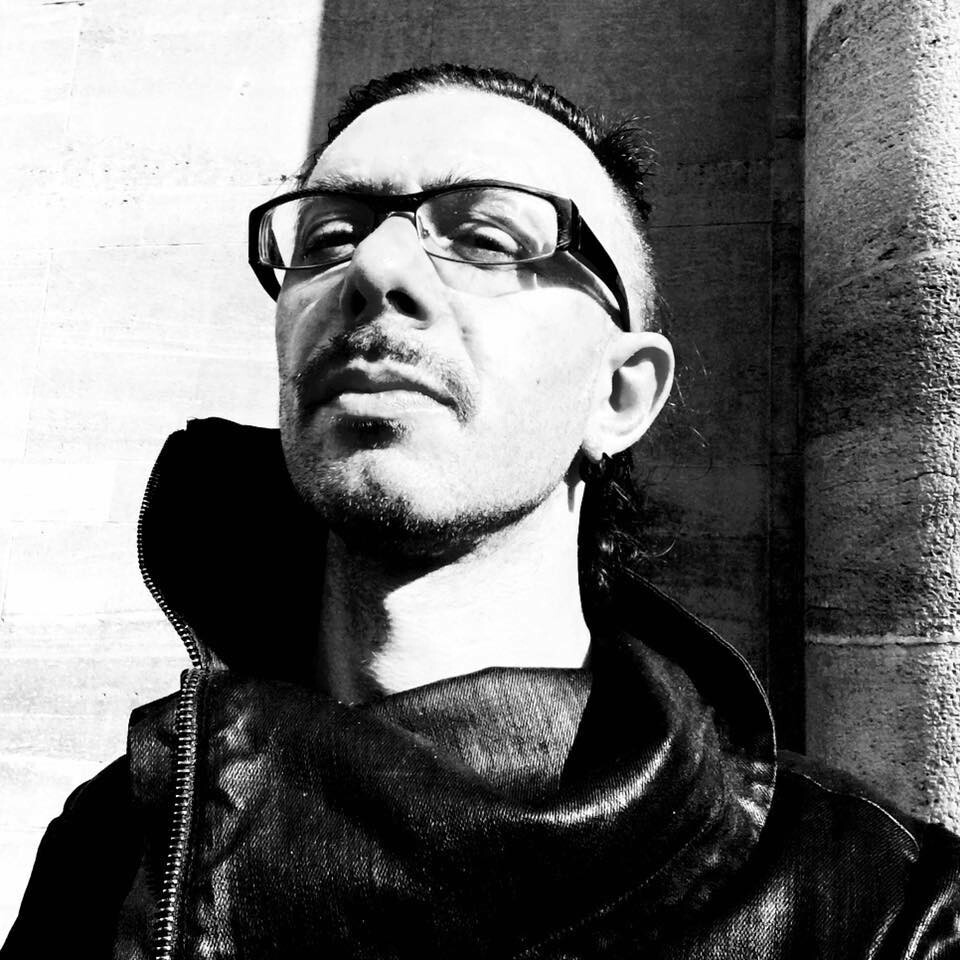

3D AND AUDIOVISUAL ARTIST WITH OVER 22 YEARS OF EXPERIENCE IN COMPUTER GRAPHICS AND 20 YEARS OF TEACHING EXPERIENCE
For more than 20 years, he has worked in light and visual art, seeking innovative opportunities where art and technology intersect. His installations and AV performances explore themes such as inner and social freedom, consciousness, identity, and loneliness in the modern world, using high-tech techniques.
Driven by his desire to create unforgettable experiences that inspire, he takes an individualized approach to each work, creating unique algorithms and synchronizing sound with visuals and digital shapes. He is also known for producing music with modular synthesizers and analog devices, influenced by industrial music, which combines noise, disharmony, and shamanism to take listeners on an intense emotional journey.
650€
1400€
Got any questions left? We are happy to help!
hou2touch 2025 (c)
go up ^ License Agreement go up ^ License Agreement RU Privacy Policy